WHY YOUR BUSINESS NEEDS KEY PERSON INSURANCE
- August 28, 2023
- assurein
- Business
- No Comments
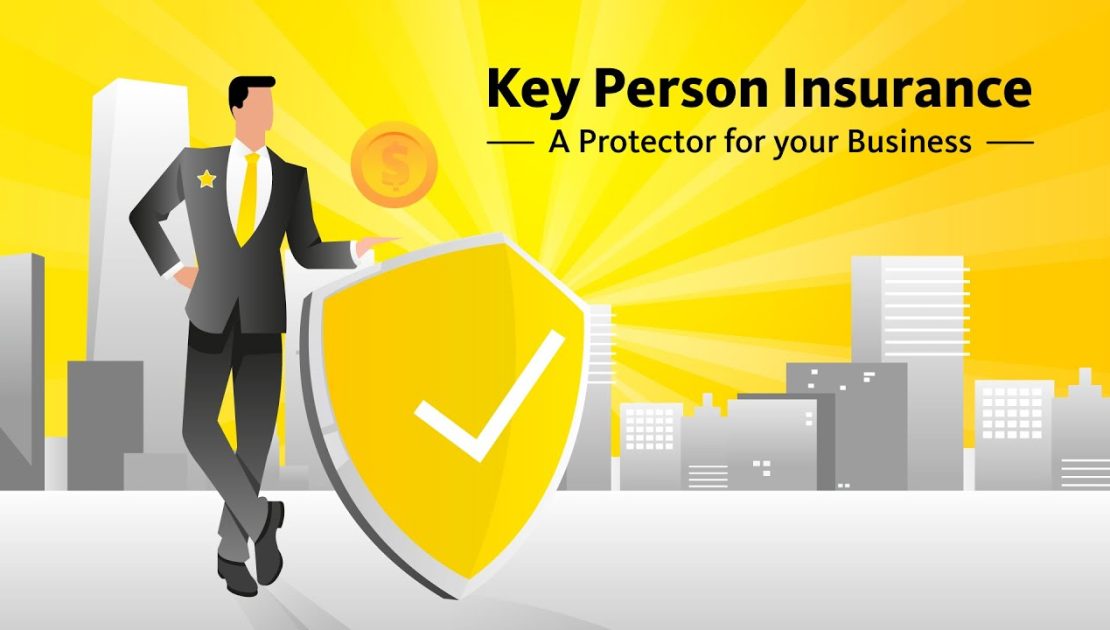
When it comes to running a business, there are always risks that need to be addressed. One of the most significant risks, especially to small and medium-size businesses, is the possibility of losing a key executive, employee, or owner. If the business is not prepared, this can be a catastrophic blow. During this disruption that follows the death, disability, or critical illness of a key player several things are likely to happen within the business: The business will suffer from the loss of knowledge, expertise, and management capability. Lenders may cut back on credit. Creditors may press for immediate payment of outstanding debt. Debtors may delay making payments. Employees and customers may lose confidence in the business. Competitors may take advantage of the unfortunate business situation. This is where Key Person Insurance can help a great deal. The company owns the plan and is the beneficiary of the proceeds. What is Key Person Insurance? Key person insurance, also known as ‘Key Man Insurance,’ is a life insurance policy taken out on a key employee or owner of a business. In the event of the key person’s death (or sometimes disability or critical illness), the policy pays out a lump sum to the company. This can cover expenses for new recruitment, settle debts, or provide a safety net during a difficult transition period. Who Is a Key Person? There are no specific rules for who a business considers a key person. It is an owner or employee that provides a direct contribution to the company’s bottom line. They may also be a key man in their operations. People to consider when purchasing a key man insurance policy include: Engineers Difficult to replace personnel Heads of product development Leading sales personnel C-suite executives such as a CEO or COO Partners or co-owners of a firm You may want to write down the names of your employees, what they do, and how their loss would impact the company. This review will provide information on who you need to purchase key man insurance policies for. Why is Key Person Insurance Important? Like any insurance policy, the goal is to protect the business from the unexpected. The ultimate goal of this policy is to protect a business from the financial consequences of unexpectedly losing a key employee or owner. Here are a few reasons why key person insurance is critically important for a business. Financial Security As mentioned earlier, financial protection is the most important aspect of key person insurance. It protects the business against the unexpected economic consequences of losing a key person. Business Continuity The loss of a key person can disrupt daily operations. The support from this insurance ensures that the business continues to operate and meet its obligations. Creditworthiness Some lenders require key person insurance as a condition for loans if the business’s success heavily depends on the key person. This insurance helps the business continue its access to funding and maintain its creditworthiness. Attracting Investors Investors may view a business with key person insurance as more stable and reliable as the company has already taken steps to mitigate unexpected risks. Succession Planning The business can use the proceeds from key person insurance to buy out the shares of the deceased (or disabled) key person. Thus, it can be important for an unexpected ownership or succession transition to be successful. Deciding if Key Person Insurance is Right for Your Business Key person insurance is an important tool to protect your business from the financial impact of losing a key executive, employee or owner. Without it, your business could be left vulnerable to a range of detrimental factors. Key person insurance policy premiums are based on a variety of factors: The policy term (period of coverage) Level of benefits (the higher the death benefit, the higher the cost) Life assured’s overall health including age, medical history, and family health history. Employee’s lifestyle including hobbies, occupation, and driving record. How do I start? Have questions about whether adding key person insurance to your business’s insurance is needed? Let Assurein assist you in making Key Person insurance part of your business succession plan! 1

WHY YOUR BUSINESS NEEDS TRADE CREDIT INSURANCE
- July 19, 2023
- assurein
- Business
- No Comments
A look at many businesses today would reveal that a significant portion of their current assets on their balance sheets are in the form of receivables. That is, money owed for goods supplied on credit terms. Though Accounts Receivables represent the single biggest asset of many companies, it’s mostly at risk since they are commonly uninsured. Every creditor faces the risk of non-payment or delayed payment due to customer insolvency, protracted default, and political risks that prevent the buyer from fulfilling its payment obligations. You therefore need Trade Credit Insurance. What is Trade Credit Insurance? In simplest terms, Trade Credit insurance is bad debt insurance. It is a risk mitigation tool that protects against payment default risks. It protects businesses from non-payment of commercial debt. It helps ensure that invoices will be paid and allows companies to reliably manage the commercial and political risks of trade that are beyond their control. It ensures that capital is protected, cash flows are maintained, loan servicing and repayments are enhanced and earnings are secure. Why is Trade Credit Insurance Important? Companies invest in trade credit insurance for a variety of reasons, including: Sales expansion and profitability- A company can safely sell more to existing customers or go after new customers that may have been perceived as too risky and hence improve profitability. Expansion into new markets- Protection against unique export risks and market knowledge to make accurate growth decisions. Better financing terms- Your financial partners will typically lend more capital against insured receivables and may also reduce the cost of funds. Reduction in bad debt reserves- Insuring receivables frees up capital for the company. Credit control- Enhances existing credit control procedures and helps the business manage customer payments more confidently. How Does Trade Credit Insurance Work? The insurer monitors the financial performance and well-being of your customers. Each of these customers will be allocated a grade that reflects the health of their activity and the way they conduct business. Based on this risk assessment, each of your buyers is then granted a specific credit limit up to which you, the insured, can trade and be able to claim should something go wrong. This limit can be revised upward or downward as new information becomes available. Throughout the lifetime of the policy, the insurer will inform you of any changes that might impact the financial health of your buyers and their ability to pay you for goods or services you have delivered. When one of the buyers shows signs of experiencing financial difficulty, the insurer notifies all policyholders that sell to that buyer, of the increased risk and establishes a plan of action to mitigate and avoid loss. In the event of an unforeseeable loss, the policyholder will file a claim with supporting documentation and the insured will be indemnified subject to the policy limit. Who Buys Trade Credit Insurance and what Determines the premium? Any company that sells goods and services on credit terms (i.e., extends credit to customers rather than requiring payment upfront) is exposed to the risk of non-payment. Trade credit insurance only covers business-to-business accounts receivable. It does not cover governments or retailers. Some of the factors considered in determining premium payable include insurable turnover, quality of the risk, credit terms offered by the proposer, quality of the credit management, sector of the buyers, countries covered, spread of the risk, and level of self-retention. How do I start? Do you wish to protect your outstanding invoices and get your money lost through bad debt replaced quickly? Let Assurein assist you in placing Trade Credit insurance! 0

CYBER VS CRIME INSURANCE. WHAT’S THE DIFFERENCE?
- June 16, 2023
- assurein
- Business
- No Comments
Cyber and computer crime are among the leading risks facing businesses globally, with smaller businesses being particularly vulnerable. In Kenya alone, cybercrime costs the economy up to KES 20 Billion annually. When cybercriminals infiltrate a network, hold data hostage, or acquire sensitive data, the company they steal from can be exposed to huge losses. It takes just one successful cyber-attack to cause significant financial and reputational damage to your business. It is therefore imperative for businesses to put cyber security on their agenda by not letting their core online systems be compromised. Secondly by safeguarding their digital assets and the private information of their clients and employees with the right insurance. There are two types of insurance available and it is important to understand the difference between cyber and crime insurance policies. CRIME VS CYBER COVERAGE As cyber insurance becomes the norm for many companies, there is growing confusion concerning the differences between crime and cyber coverage. In Short: Crime policies cover the direct loss of your funds, whether through maleficence, employee dishonesty, or social engineering whereas cyber policies cover economic damages arising through a failure of network security or privacy controls which may cause indirect losses. Even as cybercriminals and their tactics become more complex, the majority of cyber and cyber-crime attacks are executed via social engineering Employees remain the greatest area of concern, whether via wilful acts or negligence. About 90% of all cyber-attacks arise specifically from employees who are the target of social engineering scams. EXAMPLES OF CLAIMS Crime An unknown party impersonates the insured’s bank, contacts the insured’s fund transfer administrator, and convinces them to activate a computer link back to the fraudulent bank. This then allows the impersonator to contact the insured’s real bank, pretend to be the insured, and do wire transfers that ultimately end up in a foreign bank resulting in a loss of KES 3,000,000 Cyber Several employees of a hospitality company discovered when filing taxes that their taxes had already been filed. The company engages a forensic expert for technical analysis. The investigation determined an HR executive inadvertently downloaded malware that extracted information impacting over 10,000 past and present employees. The company provides written notification to all affected parties and engages a PR firm to assist with talking points and management of social media. MAKING A BUSINESS CASE FOR CYBER INSURANCE Any organization that stores and maintains customer information collects online payment information, or uses the cloud, should consider adding cyber insurance to its budget. Also, consider the proliferation of devices that now connect to business networks – there are simply more opportunities for malicious folks to access an organization’s assets. Cyber Insurance therefore provides an important fall-back plan for the business. Regarding costs, cyber insurance coverage and premiums are based on an organization’s industry, type of services provided, data risks and exposures, security posture, policies, and annual gross revenue. GETTING STARTED A good first step is to create a cyber-risk profile for your company and create a list of expenses you want to have covered in the event of an incident. Then, you can determine an estimate for third-party costs. We have the expertise to assist you assess the full spectrum of your cyber risks and develop an insurance program to address them cost-effectively. Contact our office at +254700296850 or write an email to insure@assurein.co.ke for more details. 0

UNDERSTANDING DIRECTORS & OFFICERS LIABILITY INSURANCE
- May 26, 2023
- assurein
- Business
- No Comments
What Is It? Do I Need It? Only large, publicly traded companies buy or need Directors & Officers (D&O) Liability Insurance. Smaller, privately owned businesses just don’t have the same level of exposure to create the need. The only potential claims, if any, would come from a disgruntled shareholder, if those even exist outside of the family. Right or Wrong? Wrong. These are common misconceptions that we hear when business owners decline D&O coverage. Did you know small businesses can be more vulnerable to legal expenses related to a D&O claim? Did you know lawsuits filed by shareholders represent only a portion of claims brought against directors and officers? Due to the nature of how small businesses are structured, executives are more involved in the day-to-day administration and operation of the business. Therefore, these individuals are often more at risk of being personally named in a lawsuit. These suits can come from a variety of parties, including, but not limited to: customers, employees, vendors, suppliers, competitors, government regulators, or investors. These lawsuits do not trigger coverage under your General Liability policy. You will be held personally accountable. If you want to protect your estate and personal assets from claims arising out of your involvement in the company, you need D&O insurance. What Does D&O Liability Insurance Cover? D&O liability insurance protects the personal assets of corporate directors and officers and their spouses in the unfortunate event that they are personally sued for actual or alleged wrongful acts while managing a company. This insurance will cover legal fees, settlements, and other related costs, while also protecting the company. Most companies provide a standard indemnification provision in their contracts, which holds officers harmless for losses due to their role in the company. D&O insurance is the financial backing of this provision. Why Should My Company Buy D&O? To provide for the costs of a legal defense Access to the insurance carrier’s expert defense counsel Attract and retain qualified officers and outside independent directors Attract and retain a qualified Board of Directors What Is My Exposure? Claim allegations can be brought in many different forms, including: Breach of Contract Deceptive Trade Practices Merger & Acquisition Decisions Inadequate Disclosure Misrepresentation in a Sale Breach of Fiduciary Duty Anti-Trust Violations Stock Dilution Fraud/Dishonesty Misuse of Company Funds Issues with a Failed Merger Unfair Trade/Trade Secrets (i.e. Hiring Competitor’s Employee) Business Interference Regulatory Actions Brought by Governmental Agencies such as KRA How Do I Prevent D&O Claims From Occurring? There is no way to prevent any claim from arising, but there are several ways to mitigate your risk. Here are some strategies and action items: Prepare a written corporate governance program Execute procedures to avoid potential breaches of fiduciary duty Set up a succession plan Utilize contracts with third parties/clients/customers Prepare a written business continuity plan Employ a specific risk management committee How Do I Purchase D&O Liability Insurance? Typically, you will need to provide an application proposal form duly executed, financials, and the company’s ownership structure. All policies are different and can be tailored to meet a company’s specific needs. Policy limits and coverage provisions should be reviewed on an annual basis. For more information or to proceed with a quote, contact our office at +254700296850 or write an email to insure@assurein.co.ke 0

WHAT TO DO DURING A CAR ACCIDENT
- April 12, 2023
- assurein
- Claims
- No Comments
Driving can be a risky proposition. Whenever you are in a vehicle, there’s a risk of being involved in a road traffic accident. Whether it’s a small or a major injury accident, knowing in advance what to do can help you avoid costly mistakes. This guide discusses what to do immediately after an accident. 1. Stop Immediately When involved in a crash, however slight, do not leave the scene until speaking with the other driver, the police, or both. 2. Remain Calm Remain as calm as possible, and avoid any inclination to react in anger, particularly when encountering another driver behaving irrationally. 3. Safety First When involved in a minor accident with no serious injuries, move the vehicles and occupants safely to the side of the road, out of the way of traffic. If a vehicle cannot be moved and no injuries have occurred, drivers and passengers should remain in the vehicle with seatbelts fastened until help arrives. Turn on your hazard lights. 4. Call for Medical Assistance Call for emergency medical help if anyone involved in the crash is bleeding, feels lightheaded, or is suffering any physical injury. Always be on the side of caution and call for help. Unless someone at the scene is specifically trained in emergency medical procedures, wait until professional help arrives before attempting to move a person or perform emergency aid. 5. Call The Police Calling the police from the crash site is the best action. If the driver cannot contact local law enforcement, he or she should instruct someone else to do so. Police officers can address traffic infractions and take notes for the incident record. 6. Don’t Admit Fault Do not discuss specific details of the accident with anyone except the police. Be polite, but don’t admit fault to the other driver or the police. 7. Photograph & Document the Accident Include photos that reveal the overall context of the crash – road conditions, intersection site, traffic signs or lights, etc. Record in writing all pertinent information concerning the incident, including: The Incident — The time and date, a description and exact location of the accident scene, and any recollection of your vehicle’s handling or mechanical functioning immediately before the crash. Involved Parties — Names, addresses, telephone numbers, vehicle and driver’s license numbers, and insurance carriers. Witnesses — Names, addresses, and contact information. Police Officers — Names, badge numbers, where to obtain a copy of the police report and issuance of any citations. 8. Contact Your Insurer or Broker It is important to promptly inform your insurance intermediary about the accident. Tell them about the whole incident and explain the facts and the extent of the injuries if any. That way, they can tell you exactly what they will need in order to process your claim or get your vehicle repaired as smoothly and quickly as possible. For more information on motor insurance, contact our office at +254700296850 or write an email to insure@assurein.co.ke 0

WHY YOU NEED A GOOD INSURANCE INTERMEDIARY
- March 14, 2023
- assurein
- Business
- No Comments
We know it can be hard to get excited by insurance. For the most part, it’s one of those things that we buy because we have to, not necessarily because we want to. But insurance matters, and having the right insurance in the event of a claim is vital. Anything less could result in your business having to close its doors for good. We know you wouldn’t dream of doing your legal work or medical tests. So why should your insurance be any different? It can be just as important in protecting what’s important to you and your business. And that’s where an insurance intermediary like Assurein can help. Optimizing insurance can be an onerous task for any business, organization, or even an individual. It is a balancing act between need and cost. That is why it is critical to get a strong, experienced and professional intermediary to help you through the process. If you haven’t worked with an insurance intermediary before, you’re likely oblivious to the many benefits they can bring to your life or business. So to make your life easier, we’ve set out the best reasons for using an intermediary for all your insurance needs. Why an intermediary like Assurein? Risk Assessment The purpose of insurance is to cover your areas of risk so you’re protected financially when things go wrong. Of course, you need to know what your risks are in the first place so you’re not caught out at claim time! Well, that’s where your intermediary comes in. They’ll be able to look at your unique situation and identify the specific areas of risk that need to be covered. They also know the risks across a range of different industries. Expert Professional Advice Whether you want to check that you have the right level of coverage, want more information about your inclusions or exclusions, or have a question about your premiums, all you need to do is give your insurance intermediary a call. They have the expert knowledge to offer professional advice around your insurance and you can be confident that you have the right level of insurance cover in place. Rather than wasting your time trying to get your answers online, your insurance intermediary is an essential point of contact when it comes to insurance queries. Saves you Time and Money Having an effective insurance package in place is all about having high-quality insurance coverage at a competitive price. The last thing you want is to be spending too much money on insurance cover which isn’t up to standard. Your intermediary will be able to save you money by finding you cost-effective insurance that provides you sufficient cover in the long run – remember, cheap premiums now can mean more expense for you at claim time! They also save you time by doing the running around on your behalf. Advocates at Claim Time When it comes to making an insurance claim, your intermediary makes life a whole lot easier. Once you contact your intermediary about a potential claim, they’ll lodge your claim on your behalf and follow up with the insurer to ensure the best outcome possible. Their industry knowledge means that they can facilitate a quick and painless claims process so you have an outcome sooner. They’ll also be able to let you know exactly what documentation is required so that there are no hold-ups. Personalized Service One of the main advantages of using an insurance intermediary is that you can take advantage of the personalized approach that they provide. When you opt for coverage through an insurer, you never know who you may be getting on the other end of the phone and you often have to repeat information to multiple people. Your insurance intermediary is a single point of contact and they have a good understanding of your specific business insurance requirements. As your ongoing relationship with your intermediary develops, you’ll be able to send them a quick email or pick up the phone with any queries you may have. Their personalised approach also means that they don’t provide off-the-shelf solutions – instead, they take the time to get to know you and your business. Making your life simpler We all seem to be busier than ever, with virtually every moment of our spare time hotly contested. It’s important to take time out every once in a while, so why spend hours of your precious time searching and searching for the right insurance for you when an intermediary already knows the market inside out? They have spent the time unraveling policies and understanding what is covered, so you don’t have to. You can go and read a book, sail a boat, or ride a bike instead. On-going expertise Allied with the earlier point about insurance not being that exciting to the layman, if you work with an insurance intermediary, they can advise you on the latest and emerging risks impacting your area of business because they stay on top of these things and are aware of the latest insurance products in the market to protect against them. If you’re after personalized insurance contact Assurein today. We are experienced professionals, with the knowledge and experience to deal with the increasingly complex conditions facing businesses today. With a loyal customer base stretching across various industries, we focus on providing you with personalized risk and insurance solutions that are customized for your business. Contact our office at +254700296850 or write an email to insure@assurein.co.ke and we shall be happy to assist 0
- 1
- 2
